


Award-winning technology
Computed Cardiopulmonography (CCP) is an award-winning technology for the early detection of small airways disease and for the precision monitoring of respiratory function in critical care. It combines a revolutionary molecular flow sensor with a robust cardiopulmonary model to measure and interpret gas exchange in a patient-specific manner with unparalleled precision.

Early detection of small airway disease
Asthma
Assesses the involvement of small airways inflammation in asthma that is associated with the eventual development of fixed airways obstruction.

COPD
Provides for early detection of the otherwise silent small airways disease that eventually leads to the development of Chronic Obstructive Pulmonary Disease (COPD).
Precision monitoring in critical care
Oxygen consumption
Accurate oxygen consumption monitoring in shock and during ventilatory weaning.

End-expiratory lung volume
Assessing responses to therapeutic proning and recruitment manoeuvres.
Ventilation inhomogeneity
Measuring the unevenness of lung ventilation during mechanical ventilation.
CCP measures and interprets gas exchange in three steps
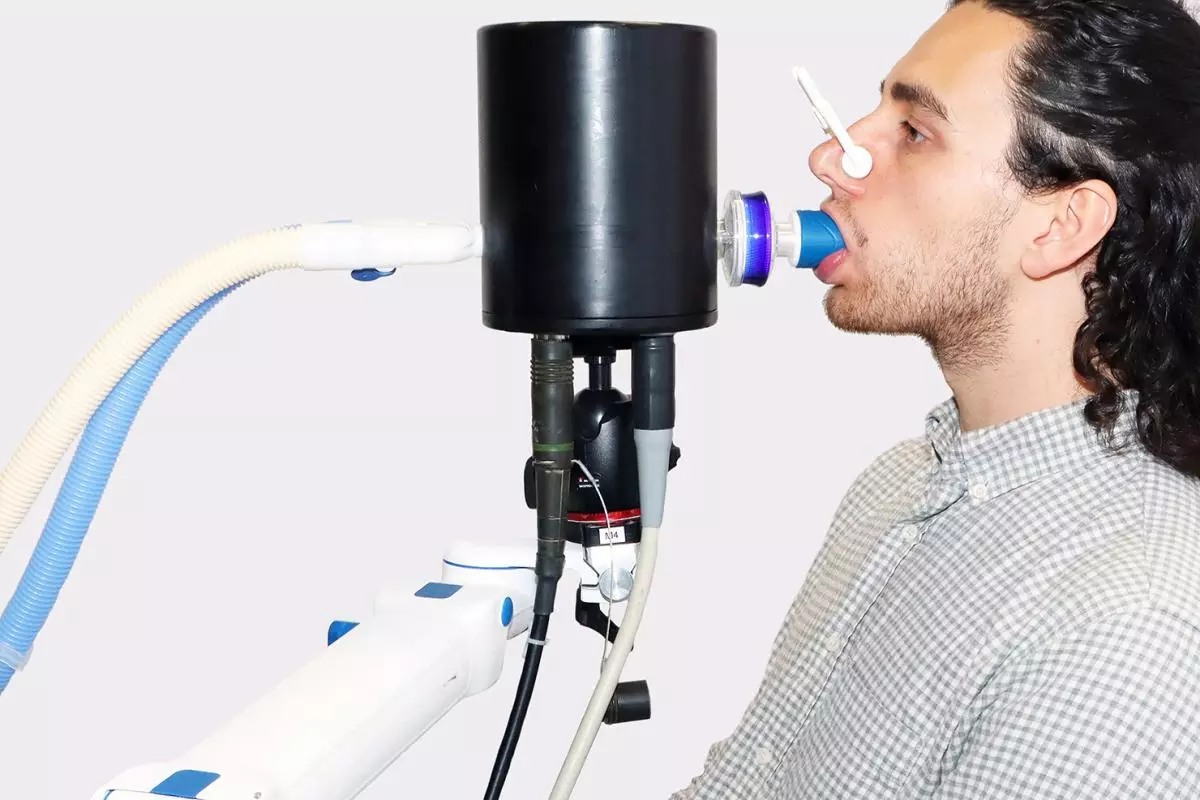
1. Quiet breathing
Either spontaneous breathing in awake patients or invasive mechanical ventilation in critical care
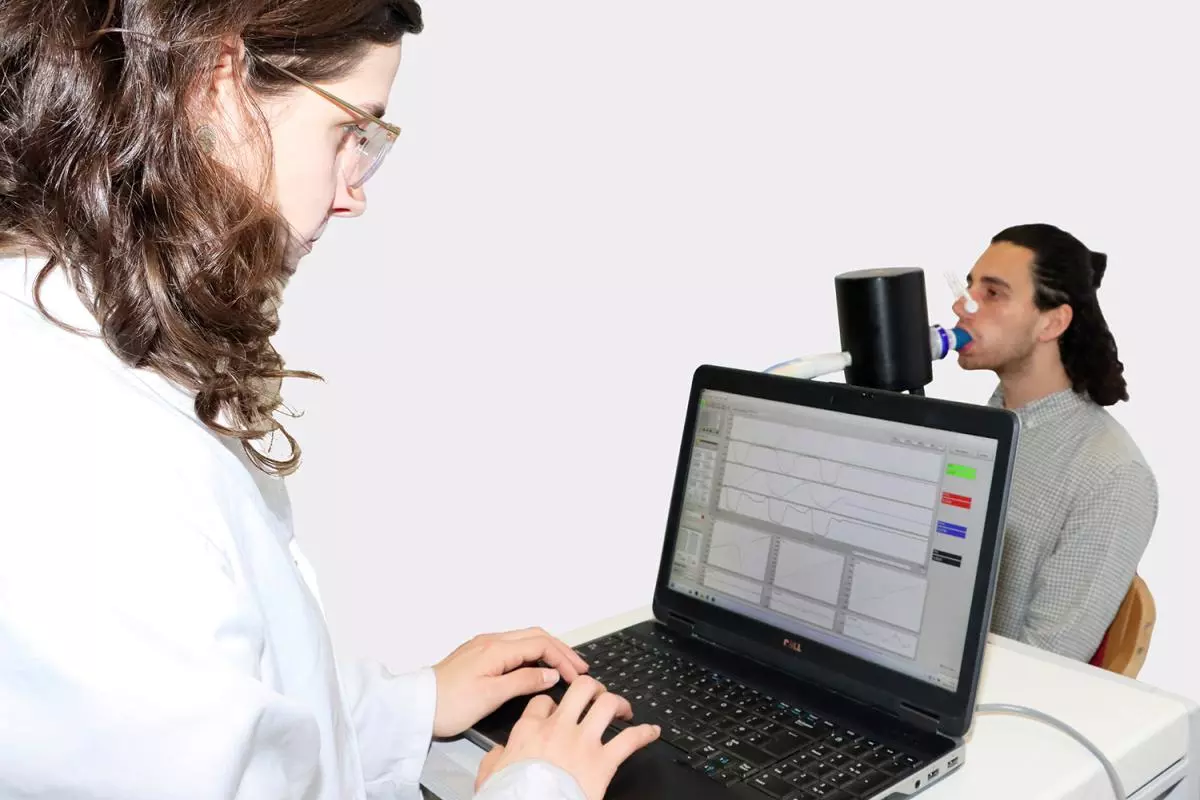
2. Molecular Flow Sensor
Gas exchange measured in-airway by laser absorption spectroscopy coupled with a precision flow sensor
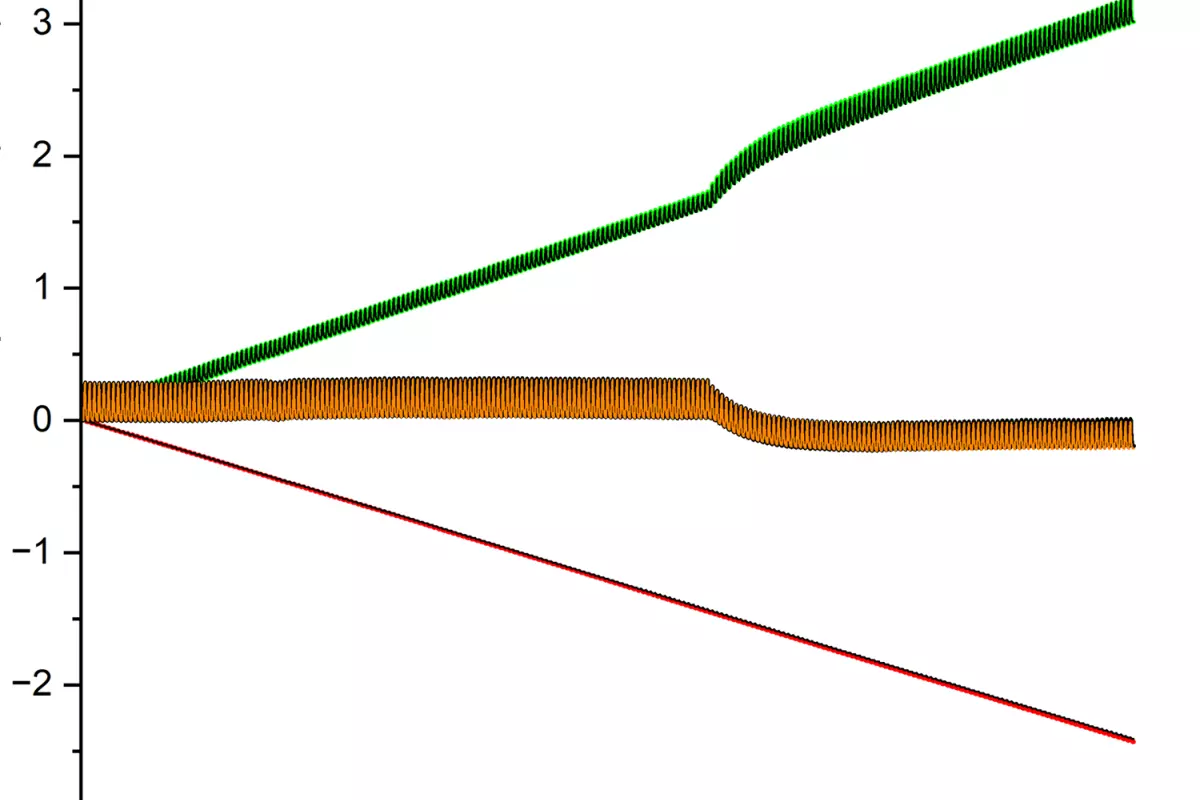
3. Cardiopulmonary model
Translates gas exchange measurements into a personalised description of the patient’s respiratory function
“Intensivists need reliable physiological data to manage our critically ill patients optimally. In any mechanically ventilated patient, computed cardiopulmonography now promises measurements of high clinical relevance, which were previously difficult to obtain, unreliable, or both.”

Dr Matthew Frise
Consultant in Critical Care and Acute Medicine,
Royal Berkshire Hospital
“One big problem in airway disease management is that we tend to see patients late, after irreparable damage has been done to the lungs and to the patient. We need ways to predict who will get damage and then preventing it. To do this, we need to detect disease much earlier, and that is why computed cardiopulmonography is so exciting."

Prof. Ian Pavord
Professor of Respiratory Medicine,
University of Oxford